
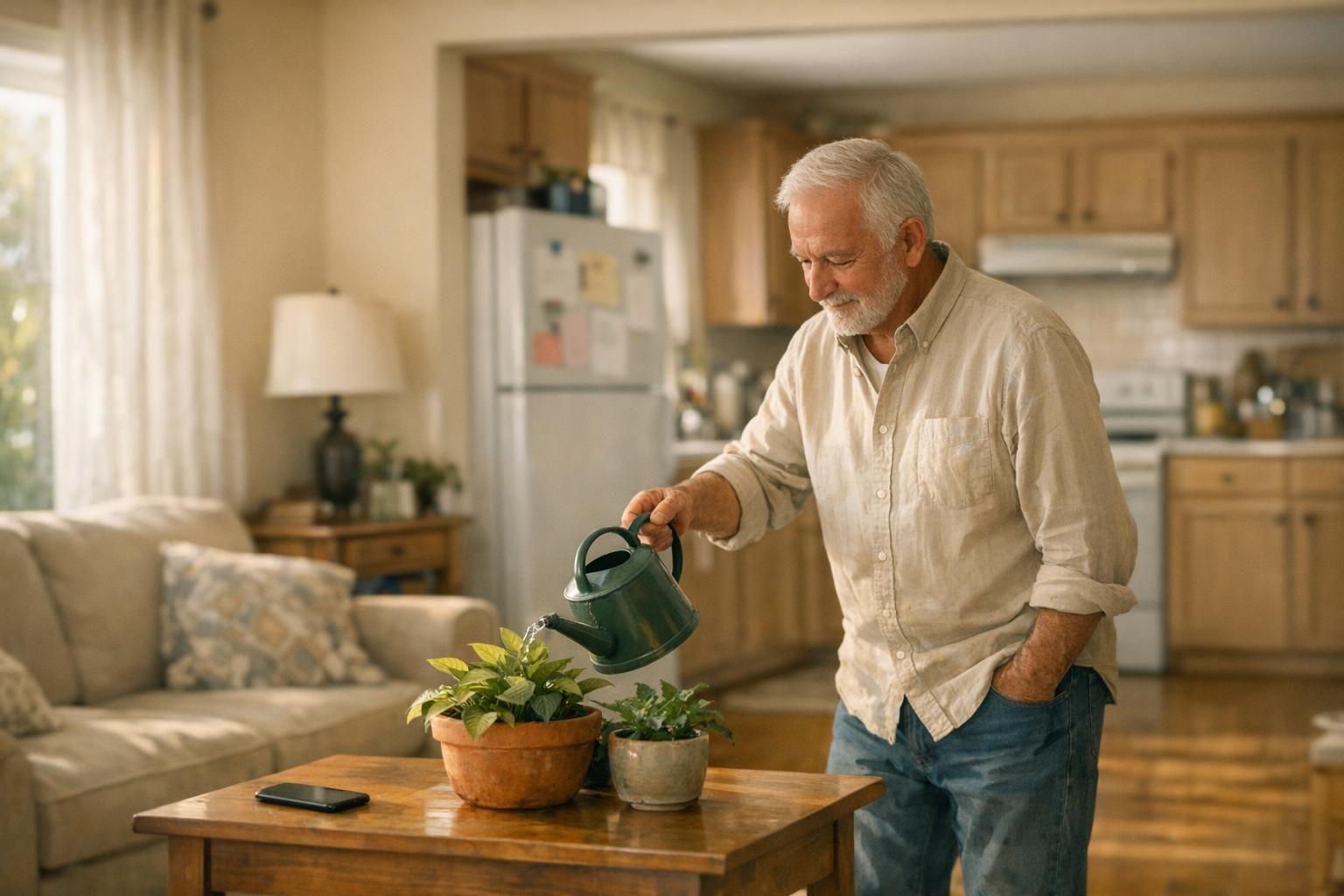
Can a person with dementia live alone?
Often, yes, for a while. A dementia diagnosis doesn't automatically mean someone can't live alone, and many people in the early stages do, with a steady routine, reminders and family close by. What works changes over time, so make the plan together with the person, look at it again as things change, and involve their doctor.
When a parent who lives alone is diagnosed with dementia, this is often one of the first questions the family asks. The answer depends on the person, how far the dementia has progressed and the help around them, and it changes over time. The Alzheimer Society of Canada puts the starting point plainly: a diagnosis of dementia does not automatically mean a person is incapable of living alone, and some people can live on their own for some time after the diagnosis. What the person wants comes first, so make the plan with them.
The short answer
Many people with dementia live alone. According to the Alzheimer's Association's 2026 Facts and Figures report, 26% of people with dementia in the U.S. who live in the community, meaning outside nursing homes and other residential care, live alone. Dementia UK estimates that around 120,000 people with dementia in the UK live alone. It also says that a person in the early stages may be able to live alone and completely independently for some time, especially with support from family and friends.
So the useful question is what has to be in place for living alone to work now, and how you'll all know when that's no longer enough.
What makes living alone work in the early stages
A few things make living alone easier to manage:
- A routine that stays the same. Meals, walks and bedtime at roughly the same time every day.
- A home that's simple to run. Bills on automatic payment, one bowl for keys and glasses, a list of useful numbers by the phone.
- People nearby. A neighbor with a spare key, a friend who comes for coffee on Tuesdays, family who call at a set time.
- Regular contact with the doctor. Appointments that someone helps keep track of.
Much of this is the same advice that helps anyone who is living alone as they get older. The difference with dementia is that it's worth setting up early, while the person can shape it.
Routines, reminders and lists
Dementia UK lists setting reminders, for example for taking medication, social events, appointments and birthdays, as one of the ways a mobile phone, tablet or smart device can help a person with dementia who lives alone.
In practice, a mix of paper and phone works well:
- A written plan for the day on the fridge or by the front door.
- A weekly pill organizer, filled by the same person on the same day each week.
- Phone reminders for the things that happen at a fixed time, set up together.
Our guide to memory aids for seniors covers more of these. For medicines in particular, see our guide to medication reminder apps for seniors.
Elsy, an AI companion for older adults, is one way to set reminders by voice. Your parent can say "Remind me that the hairdresser is at ten on Friday," and the reminder arrives as a notification on the phone at that time. Elsy is also someone to talk to during the day, about the news, the family or the old days. See how reminders and daily routines with Elsy work.
Staying connected with family
Living alone works better when the person isn't alone all day. A few habits help:
- A set time for a daily call. Same time, same person, so it becomes part of the routine.
- Visits on fixed days. If several family members help, a shared calendar keeps the visits spread through the week.
- The wider circle. Friends, neighbors, a place of worship or a club. Tell the people they trust about the diagnosis, if they agree.
Questions to talk through as things change
Dementia changes over time, so what works this year may not work next year. It helps to go through a few questions openly, with the person and with their doctor, and to come back to them now and then. The Alzheimer Society of Canada's sheet on living alone suggests questions like these:
- Can the person remember to eat regular meals, or to reheat them?
- Can they store food properly, so it doesn't spoil?
- Can they handle day-to-day money matters, such as keeping track of bills and paying them on time?
- Are they able to manage their daily medicines?
- Can they take care of personal hygiene, such as bathing?
- Do they get physical and social stimulation during the day?
- Is there enough support available to help them live alone?
A "no" or a "sometimes" on one question doesn't settle anything by itself. What matters is the overall picture, and how it shifts over the months. When the answers start to change, sit down with the person and their doctor. Our article on when it's time for memory care goes through the next step.
Who can help you decide
The person comes first. The Alzheimer Society of Canada says it is important to engage the person with dementia in these conversations where possible. Ask what matters most to them about living at home, and what they would want if that became harder.
Their doctor is the next person to involve. They know the person's health, and you can ask them about local services and assessments. Bring a short list of what you've noticed, with dates.
Planning ahead together
The early stage is the best time to talk about later. Some things to settle while the person can take part fully:
- Where they would want to live if staying at home stops working
- Who can act for them on money and legal matters if they can't
- What help at home they would accept, and from whom
- When you'll all look at the plan again, for example every three months
Writing the answers down means the family can follow the person's wishes later. Our guide to caring for someone with dementia at home covers the day-to-day side once more help is needed.
Frequently asked questions
Can someone with early-stage dementia live alone?
Often, yes, for some time. Dementia UK says a person in the early stages may be able to live alone and completely independently for some time, especially with support from family and friends.
When should a person with dementia stop living alone?
There's no fixed point, and the answer changes over time. The Alzheimer Society of Canada suggests looking at questions such as whether the person can still manage meals, bills and daily medicines, and whether there is enough support around them. Go through them together with the person and their doctor.
How many people with dementia live alone?
In the U.S., the Alzheimer's Association's 2026 report says 26% of people with dementia who live in the community live alone. In the UK, Dementia UK estimates around 120,000.
What help is available for someone with dementia living alone?
Family, friends and neighbors come first. Beyond that, ask their doctor about local services and assessments. Simple tools help too: a written plan for the day, a pill organizer and phone reminders.
Can reminders help someone with dementia stay independent?
They can help with daily tasks. Dementia UK lists setting reminders for medication, appointments and birthdays among the ways a phone or tablet can help someone who lives alone. Reminders work best alongside the people around them, so keep family and friends involved.
Who decides whether it's still safe to live alone?
Ideally the person decides, together with family and their doctor. Their own wishes count for a lot, and the Alzheimer Society of Canada stresses involving them in these conversations wherever possible.
How to get started
- Install Elsy from the App Store or Google Play on your parent's phone or tablet, together.
- Let them tap Talk and set one or two reminders by voice, like a weekly appointment.
- Keep the paper plan on the fridge as well. The two work side by side.
See how Elsy works step by step. Try Elsy free for 3 days on your parent's own phone.
This is general information, not medical advice. Every situation is different, so talk to a doctor about yours.