
What is sundowning, and how do you manage it?
Sundowning is a pattern of increased confusion, restlessness, or agitation in the late afternoon and evening. You can ease it with a steady daily routine, more light during the day, less caffeine and late napping, and a calm, quiet lead-up to bedtime.
Sundowning is the name for a group of behaviors that tend to appear or worsen in the late afternoon and into the evening. A person may become more confused, restless, anxious, or agitated as the light fades. It is common in mid-stage dementia and can be exhausting for everyone in the house.
Why it happens
There is no single cause. Tiredness at the end of the day, hunger, too little daylight, fading light and longer shadows, and an over-full or under-full day can all feed it. Spotting the pattern is the first step: note when it starts and what tends to come before it.
What helps
- Keep a steady routine. Predictable meals, activity, and bedtime lower anxiety.
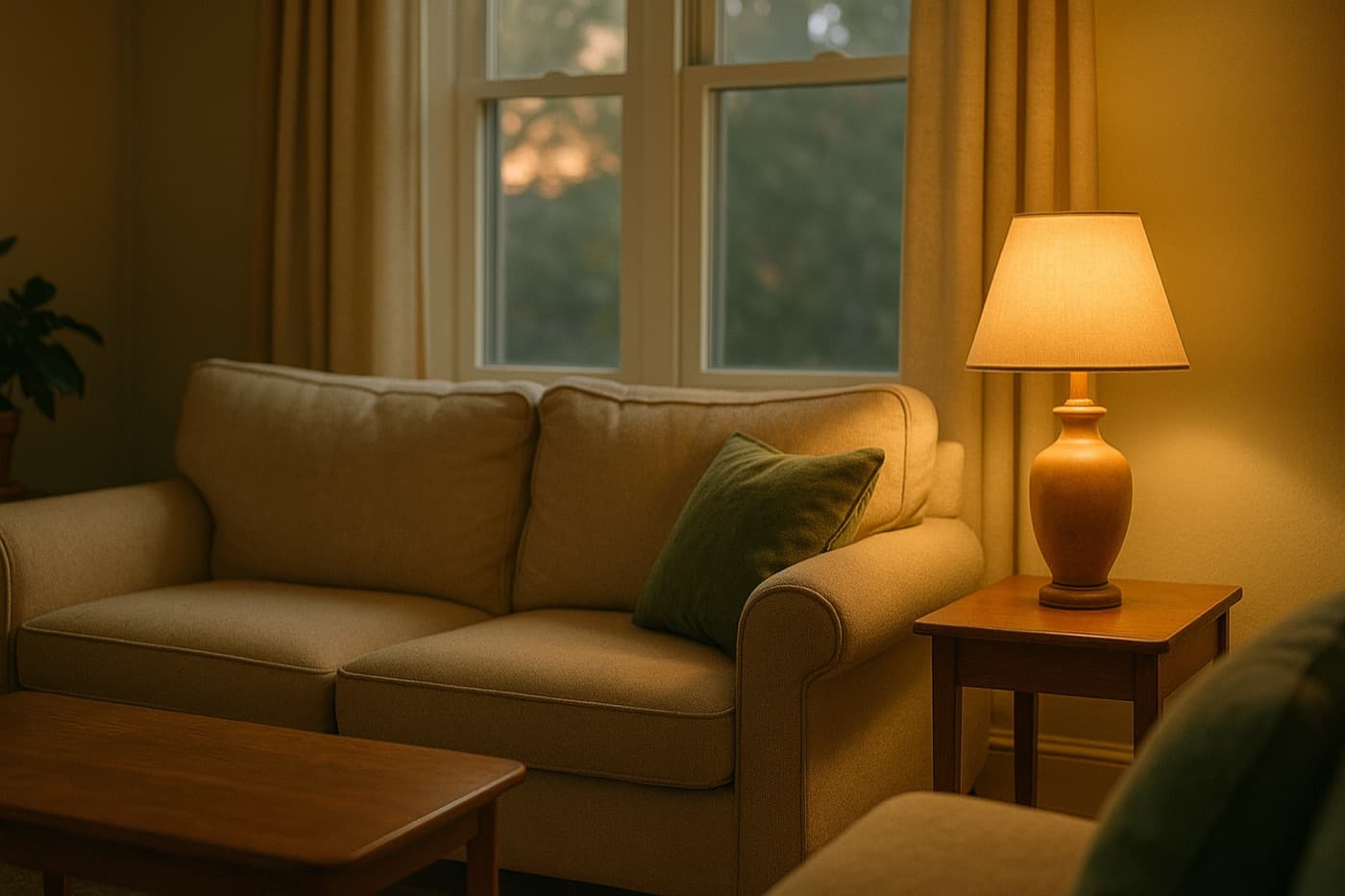
- Let in more light during the day, and turn on lamps before dusk so the room does not darken suddenly.
- Watch the stimulants. Limit caffeine and sugar later in the day, and avoid long or late naps that push back sleep.
- Wind down early. Keep the evening calm and quiet: softer light, familiar music, less noise and fewer visitors.
In the moment
Stay calm and reassuring rather than trying to reason them out of it. A gentle voice, a simple activity, or a small snack can redirect the agitation. If sundowning is severe or comes on suddenly, mention it to their doctor, as pain, infection, or medication can make it worse.
This is general information, not medical advice. Every situation is different, so talk to a doctor about yours.